Mega Manila Cities
30 million people, three regions, one massive urban sprawl. This is the directory.
Cities in and beyond Metro Manila
Mega Manila is a beast of a region.
Let us get one thing straight. Metro Manila is no longer just a collection of sixteen cities and a municipality. It has spilled way over its borders. The concrete jungle is now a massive and highly interconnected super-region that houses roughly 30 million people and accounts for close to 40% of the entire country's GDP. We call this Mega Manila.
The sprawl is real and it is spectacular. You can start your morning in a high-rise condominium in Taguig, hop on SLEX heading south to grab brunch in Santa Rosa, and end up eating sisig next to the NLEX toll gates by dinner. CALAX connects the Laguna tech corridor to Cavite's coastal suburbs. CAVITEX funnels southern Metro Manila straight into Bacoor and beyond. And TPLEX pushes the northern boundary all the way up past Tarlac. The traditional city limits mean absolutely nothing to the millions of people commuting, eating, and living across this giant footprint.
Developers caught on a long time ago. They are planting skyscrapers in former sugarcane fields and building lifestyle malls near provincial highways. You do not have to live inside the old capital to experience top-tier dining or premium retail anymore. Honestly, some of the best new restaurants and most affordable condos are now an hour south on a good traffic day.
We are breaking down the power players of this urban expansion into three distinct zones:
- Metro Manila (NCR): The dense and undeniable core. Sixteen cities and one municipality, roughly 13 million people packed into 619 square kilometers. It is where the BPO towers, government offices, and best nightlife still live.
- Calabarzon: The southern suburban frontier where heavy industry meets weekend coffee runs. It is the most populated region in the country now, overtaking NCR. Think Cavite subdivisions, Laguna tech parks, Rizal mountain cafes, and Batangas beach trips.
- Central Luzon: The northern powerhouse driven by Clark International Airport, the NLEX-SCTEX expressway system, and an obsession with good food. Pampanga alone could carry an entire culinary tourism campaign.
Grab your Autosweep and Easytrip RFID tags. We are taking a tour of the cities running the show.
Updated on Jun 17, 2026 by George Gemson
Metro Manila (NCR)
The nerve center of the Philippine economy. Metro Manila represents the absolute height of urban density and velocity, home to over 13 million residents packed into a highly connected grid of sixteen cities. It is here that corporate empires, media networks, and global BPO giants anchor their headquarters. From the luxury shopping districts and clean walkability of BGC and Makati to the historic Spanish-colonial streets of Manila and the sprawling university hubs of Quezon City, NCR is a complex, hyper-active environment that defines modern Philippine lifestyle.
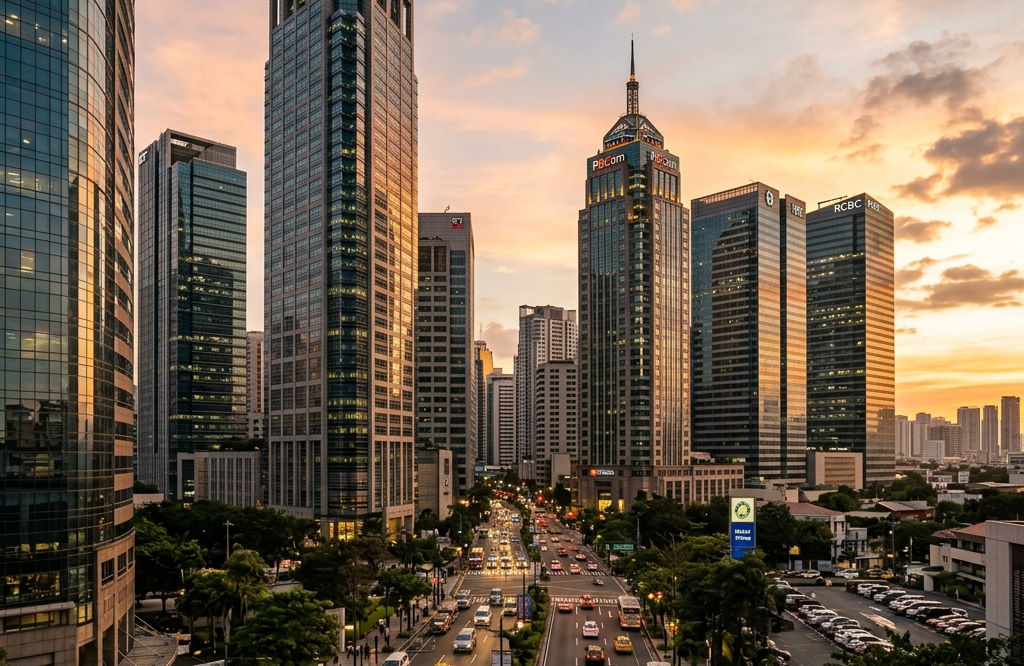
Makati
NCRThe undisputed financial king. Come for the corporate boardrooms in Ayala Center. Stay for the neon-soaked pub crawls and rooftop bars in the Poblacion district. Land values here still top the country.
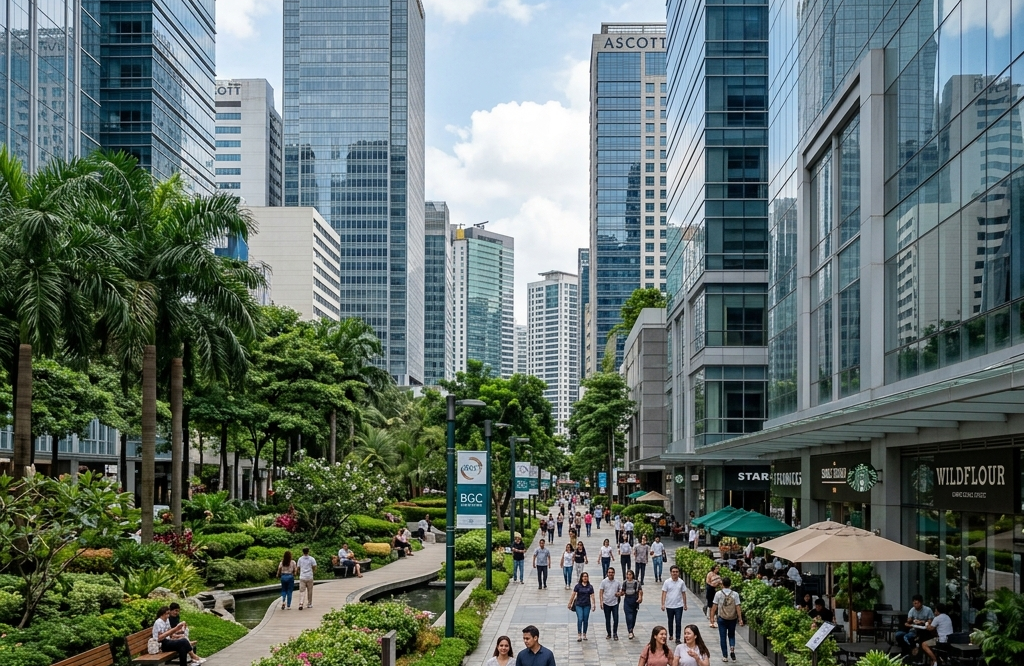
Taguig
NCRAn exceptional model of modern urban planning. Bonifacio Global City (BGC) is the crown jewel. Wide sidewalks, high-end retail, and a fiercely enforced traffic system that actually works.
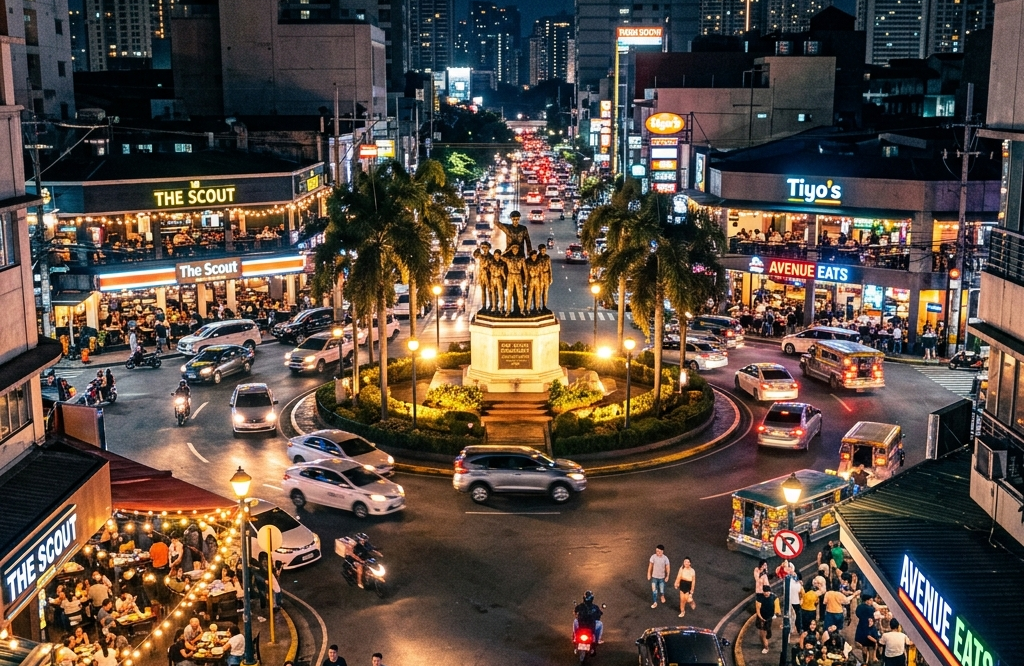
Quezon City
NCRThe giant of the north and Metro Manila's most populated city. A sprawling mix of government hubs, media empires, and university belts. Food lovers flock to Tomas Morato while night owls dominate Eastwood.
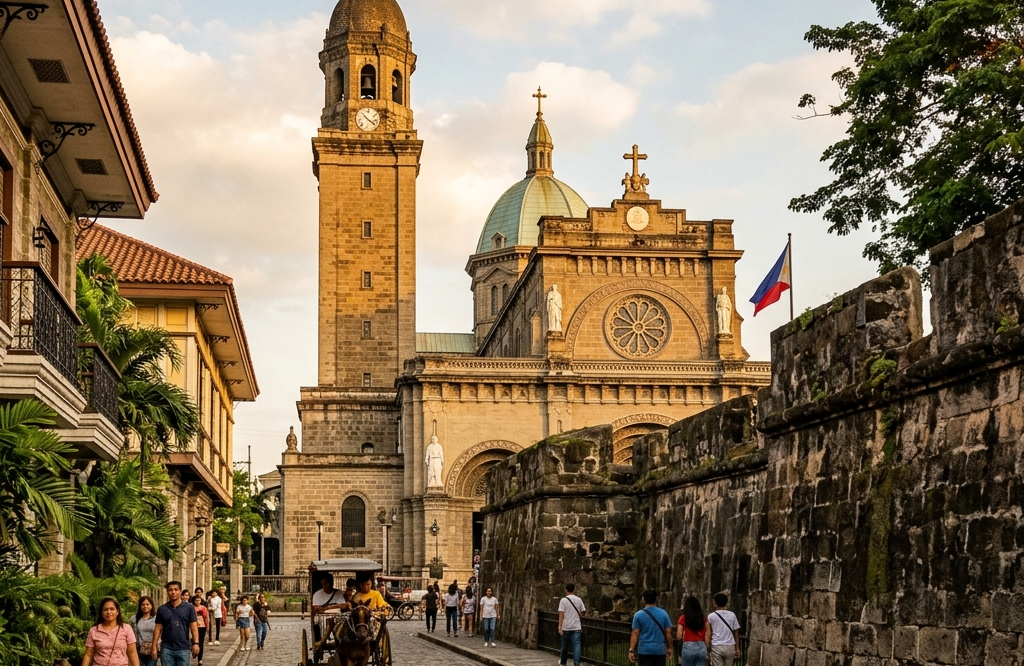
Manila
NCRThe historic anchor. Chaotic and beautiful all at once. Lose yourself in the walled city of Intramuros, eat your way through the ancient alleys of Binondo, or catch a sunset along Roxas Boulevard.
Calabarzon
The ultimate frontier of suburban expansion and economic relocation. Overtaking Metro Manila in population, Calabarzon (Cavite, Laguna, Batangas, Rizal, and Quezon) represents the massive shift toward master-planned living and industrial decentralized growth. Connected to the capital by major expressways like SLEX, CALAX, and CAVITEX, this region seamlessly blends heavy technology parks and automotive plants with scenic weekend getaways. It's the place where you can find premium suburban estates, mountain art cafes in Rizal, cool ridge bulalo joints in Tagaytay, and major industrial powerhouses all thriving side-by-side.
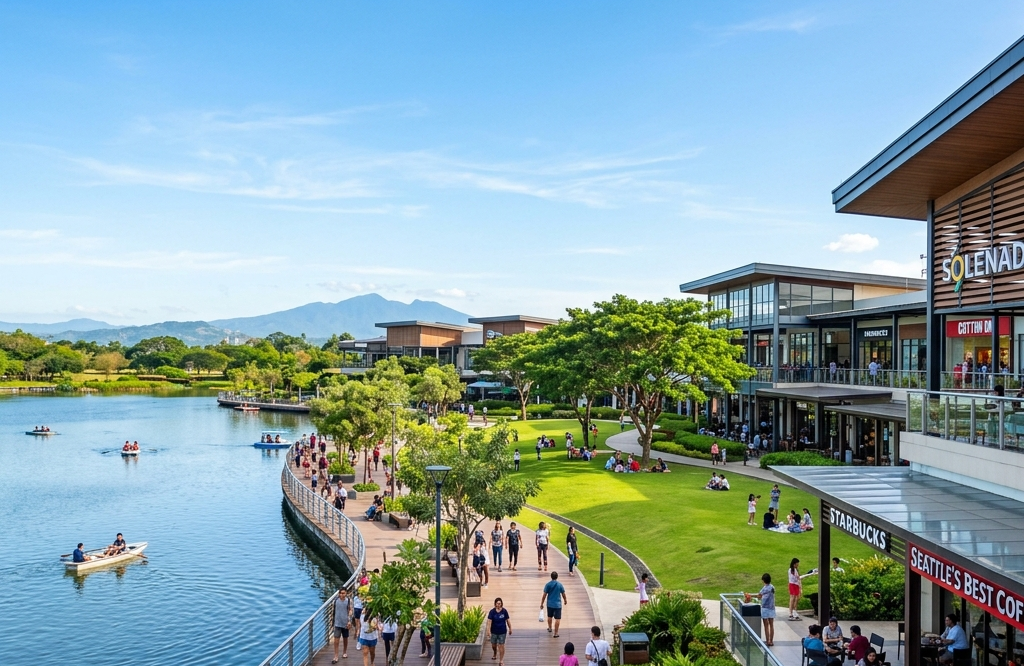
Santa Rosa
LagunaThe engine room of Laguna. Packed with tech parks, manufacturing plants, and Enchanted Kingdom. Massive master-planned communities like Nuvali keep drawing families out of the capital.
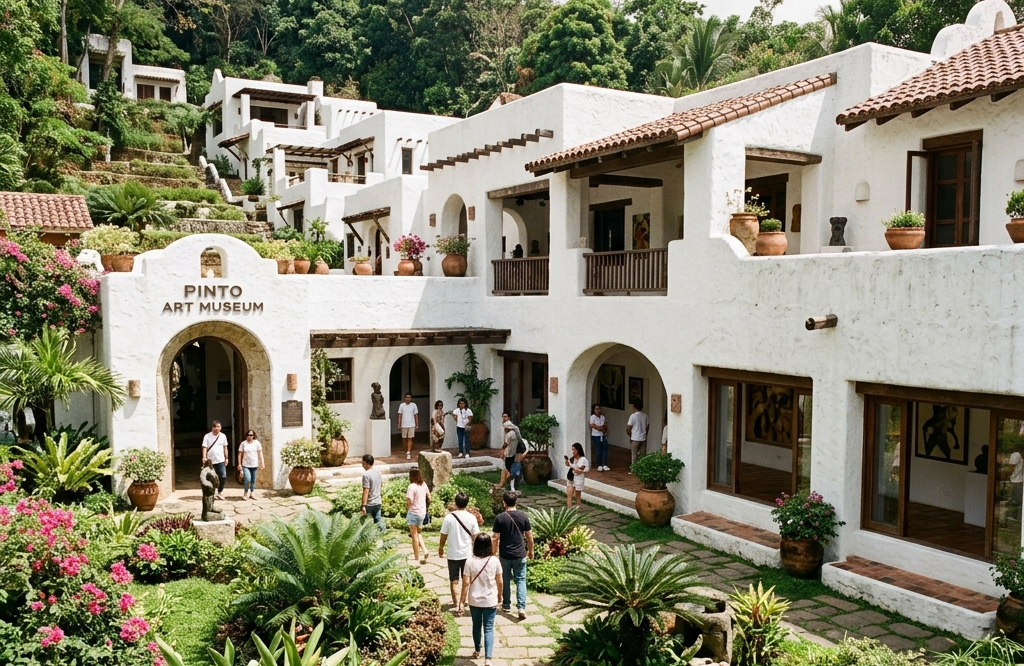
Antipolo
RizalRizal's finest vantage point. It sits elevated above the smog and offers sweeping skyline views. The Pinto Art Museum and a thriving local cafe scene make it the go-to weekend escape from Manila.
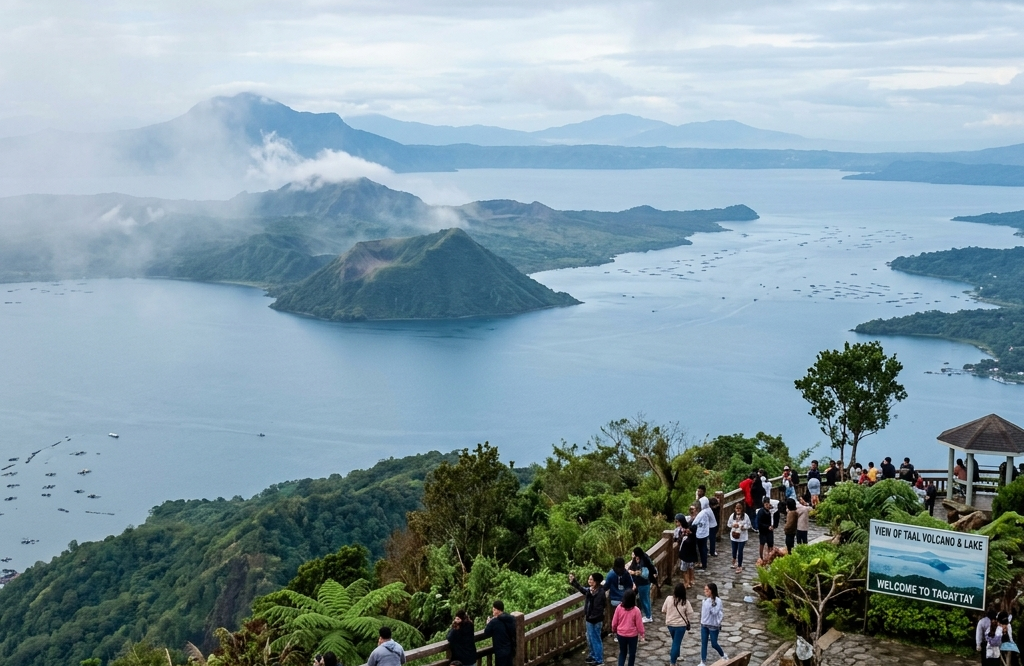
Tagaytay
CaviteThe ultimate southern escape. The temperature drops, the bulalo soup gets hotter, and the views of Taal Volcano never get old. It is practically a requirement for a Sunday road trip via CALAX.
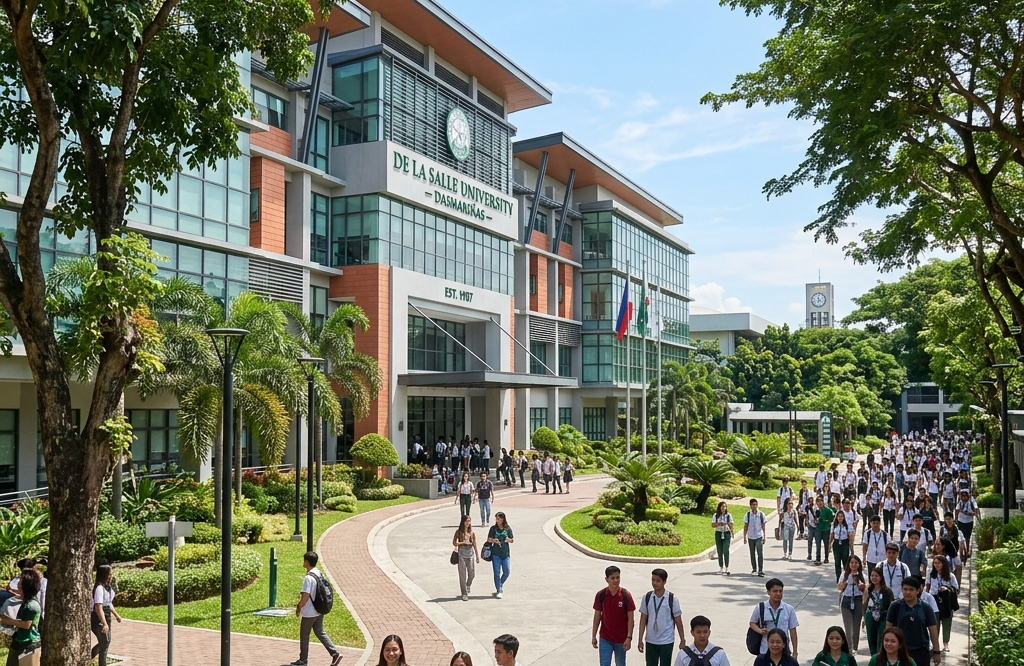
Dasmariñas
CaviteA university town on steroids. De La Salle and other schools drive the student economy. This Cavite heavyweight transformed from a sleepy agricultural patch into a highly commercialized urban center almost overnight.
Central Luzon
The logistics powerhouse and culinary epicenter of the north. Anchored by the massive Clark Freeport Zone and Clark International Airport, Central Luzon has transformed from an agricultural breadbasket into a highly modernized corridor of commerce and infrastructure. Connected to the capital by the NLEX-SCTEX highway network, the region is highly accessible and rapidly growing. Pampanga carries the legendary culinary crown as the sisig birthplace, while Bulacan serves as the historic heritage gateway, and Zambales acts as the maritime and duty-free tourism core of Subic Bay.
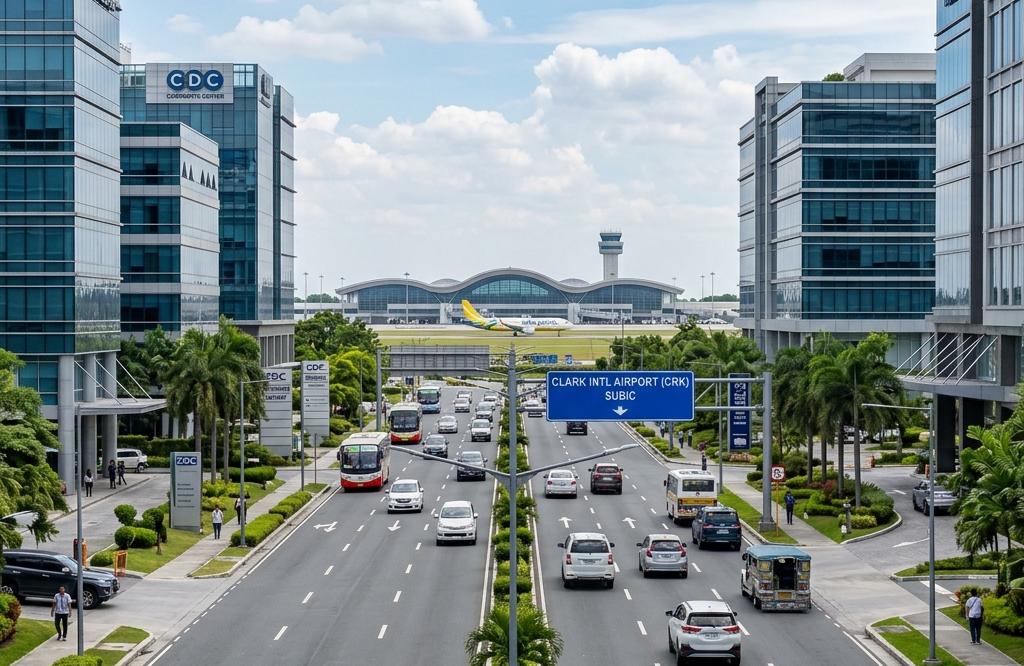
Angeles City
PampangaPampanga's entertainment capital. It shares a border with the Clark Freeport Zone and Clark International Airport. World-class culinary strips, international flights, and a rapidly growing skyline.
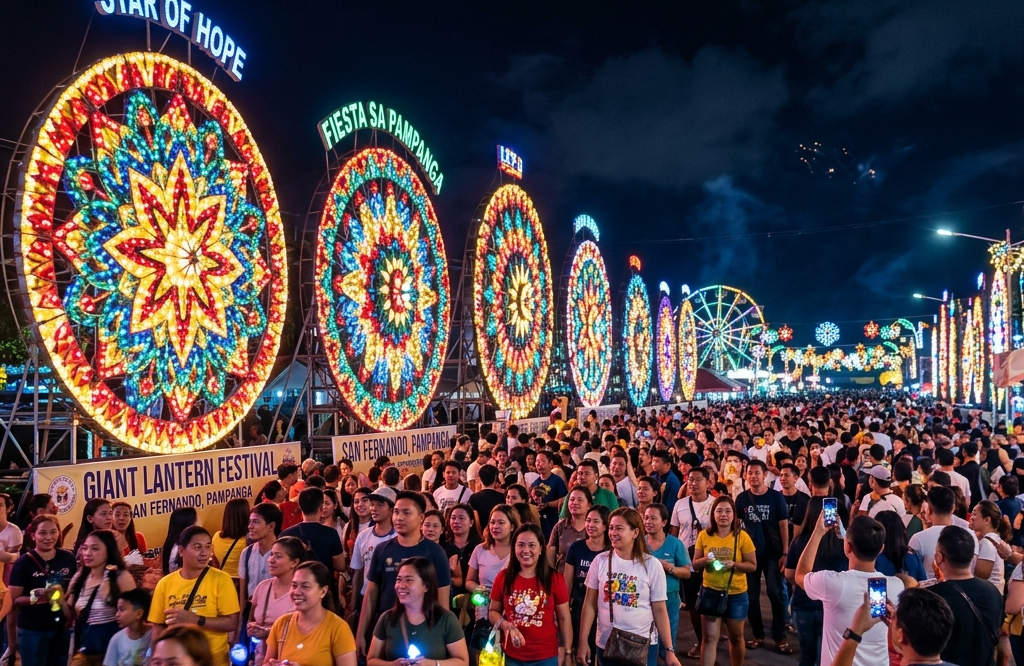
San Fernando
PampangaThe administrative center of Central Luzon. Famous globally for the Giant Lantern Festival every December. Commercially, it is the crucial crossroads linking northern provinces to Manila via NLEX.
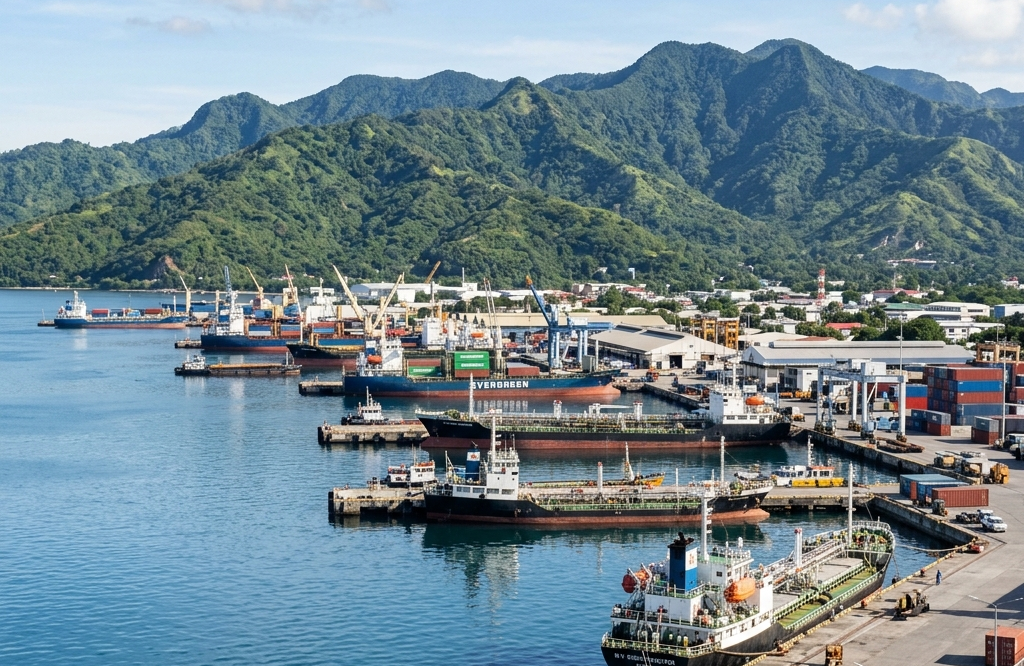
Olongapo
ZambalesThe gateway to the Subic Bay Freeport Zone. It leans heavily into its maritime roots and naval history. Expect duty-free shopping, quiet bayside beaches, and some of the cleanest streets outside of BGC.
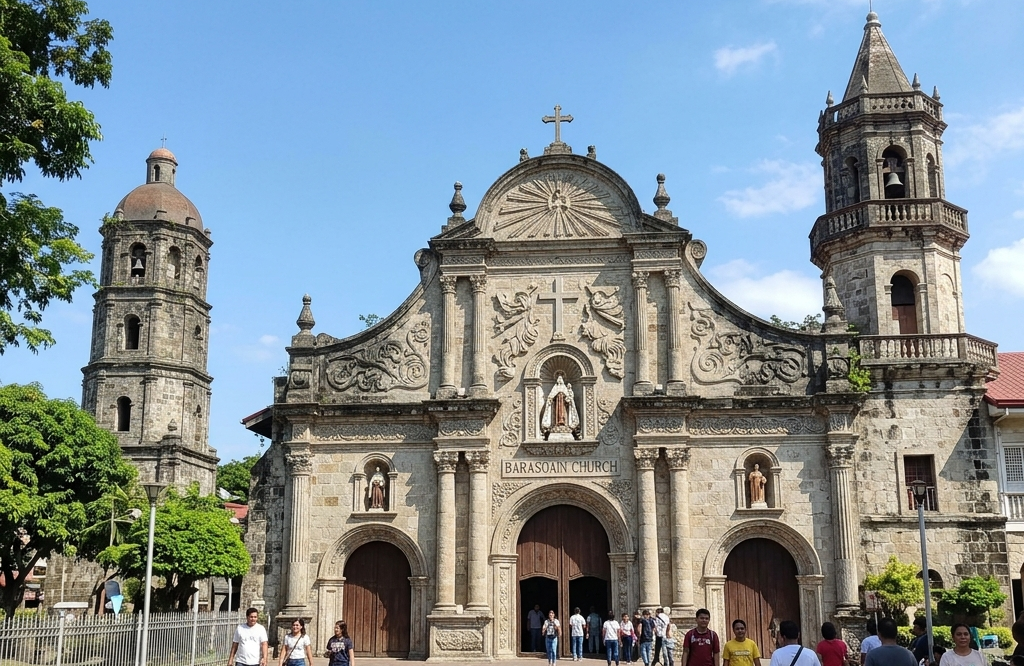
Malolos
BulacanThe historic soul of Bulacan and site of the First Philippine Republic. Currently experiencing a real estate boom as the new MRT-7 and railway projects turn this heritage city into a premium commuter base.