A City That Refused to Collapse
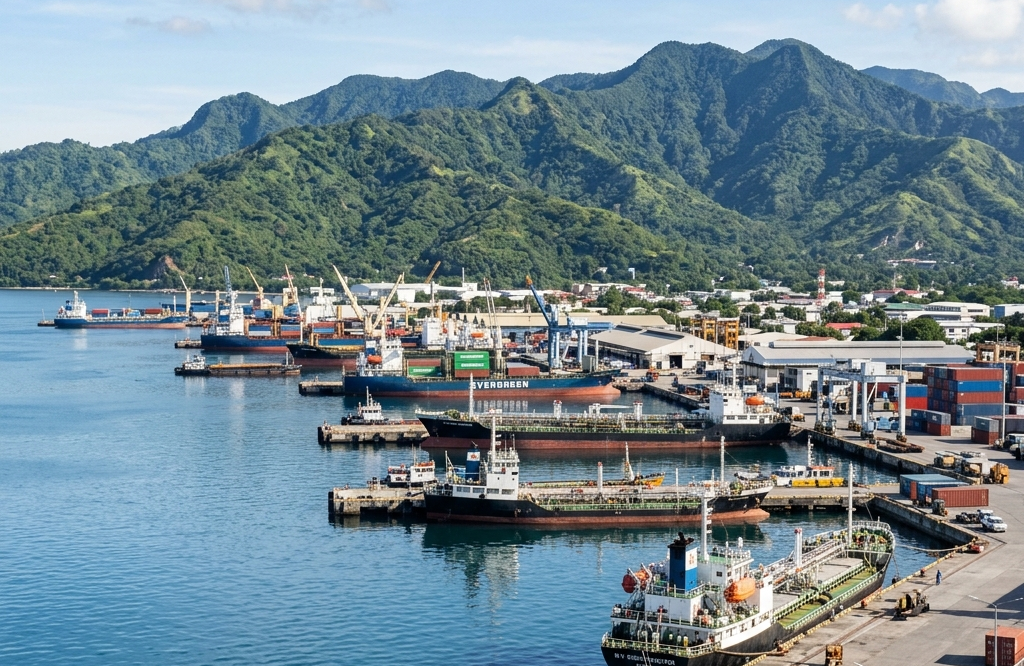
Olongapo is a first-class independent component city in Zambales province, located on the eastern shore of Subic Bay, about 127 kilometers northwest of Manila. For most of its modern history, it existed as a support city for the massive U.S. Naval Base Subic Bay, which at its peak was the largest overseas military installation operated by the United States Armed Forces.
- Province/Region: Zambales, Central Luzon
- Best For: Subic Bay Freeport eco-tourism, duty-free shopping, marine activities, jungle trekking, family trips
- Average Spend: ₱300 - ₱800 per person (tours and dining); duty-free shopping varies
- Transit: 3 - 4 hours from Manila via NLEX/SCTEX then TPLEX; Victory Liner buses from Cubao and Pasay to Olongapo terminal; Subic Bay International Airport (limited flights)
When the Philippine Senate voted not to renew the military bases agreement in 1991, and Mt. Pinatubo erupted the same year, it could have been the end for Olongapo. The Americans left in 1992, and the city suddenly lost the economic engine that had sustained it for decades. But under then-Mayor Richard Gordon, the base was converted into the Subic Bay Freeport Zone (SBFZ) through Republic Act 7227. Gordon famously organized volunteers to protect the base's assets during the transition, and the result is what you see today: a functioning economic zone with its own governing authority, the Subic Bay Metropolitan Authority (SBMA).
The Freeport now employs over 170,000 workers across manufacturing, logistics, tourism, and services. And in 2025, SBMA earned international recognition as one of the Green Destinations Top 100 Stories for its Recyclables Collection Program, with a stated goal of becoming the Philippines' first "Green Port City" and achieving carbon neutrality by 2040. That's an ambitious target, but the track record so far is legitimately impressive.
"Olongapo didn't just survive the base closure. It turned abandoned naval infrastructure into a Freeport, a wildlife park, and a dive tourism industry. That kind of reinvention doesn't happen by accident."
The Famous Olongapo Discipline
If you've ever heard someone from Olongapo talk about their city, the word "discipline" probably came up within the first 30 seconds. The city has a long-standing reputation for strict enforcement of local ordinances, and locals wear this with real pride. Jaywalking is penalized. Traffic laws are actually enforced. Littering is taken seriously. The streets are noticeably cleaner and more orderly than what you'll find in most Philippine cities of similar size.
There's a slightly retro, almost American suburban feel to parts of the city, a legacy of the decades-long naval presence. The grid-style street layout, the wide boulevards, and the English signage all contribute to an atmosphere that feels different from the typical Filipino city. It's hard to explain unless you've been there, but there's a sense of order that takes you by surprise.
Eco-Tourism and Adventure in Subic Bay
The Subic Bay Freeport Zone is where most of the tourism action happens, and it's impressively varied. The area has pivoted hard toward eco-tourism and adventure travel, and the natural setting makes that pivot feel authentic rather than forced. The bay is surrounded by dense tropical forest, and the marine environment is rich enough to support serious diving and snorkeling.
Zoobic Safari is the most popular family attraction. It's a zoo and safari park where you can see tigers, crocodiles, and other wildlife in relatively spacious enclosures. The tiger encounter, where you ride a jeepney through the tiger enclosure, is the signature experience. It's touristy, sure, but kids love it and the facility is well-maintained.
Ocean Adventure, located at Camayan Wharf, bills itself as Southeast Asia's first open-water marine theme park. The animal shows feature dolphins and sea lions performing in natural ocean water rather than a concrete pool, which makes it feel less like SeaWorld and more like a conservation education center. The emphasis on marine biology and environmental awareness is genuine, and the setting is beautiful.
For something completely different, the Pamulaklakin Forest Trail offers the Jungle Environment Survival Training (JEST) program. This was originally developed to train U.S. military personnel in jungle survival, and today it's taught by Aeta instructors from the indigenous community. You'll learn how to make fire using traditional methods, identify medicinal and edible plants, and cook rice inside bamboo stalks. The guided trek through the forest usually includes a traditional lunch prepared using the techniques you just learned. It's one of the most unique tourism experiences in the Philippines, and it directly supports the Aeta community's livelihood and cultural preservation.
Diving, Duty-Free, and Getting There
Subic Bay is one of the best wreck diving destinations in the Philippines. The bay floor has several sunken vessels from World War II, and the visibility is generally good. Kayaking through the mangrove areas, sailing, and paddleboarding are also popular, especially on weekends when Manila-based families drive up for day trips. The cruise ship industry has also been expanding, with SBMA working to beat pre-pandemic arrival numbers and positioning the Freeport as a regional cruise port.
Duty-free shopping inside the Freeport is a staple activity. You'll find imported goods, electronics, chocolates, and liquors at lower prices than mainland retail. Just bring a valid ID. The drive from Manila takes about 3 to 4 hours via NLEX, SCTEX, and TPLEX. Victory Liner runs buses from Cubao and Pasay directly to the Olongapo terminal. If you're coming from Clark, it's about a 1.5-hour drive. There's also the Subic Bay International Airport, though commercial flight options are limited.
Updated on Jun 17, 2026 by George Gemson
Olongapo & Subic Bay Highlights
Naval heritage, wildlife encounters, jungle survival, and wreck diving.
Zoobic Safari
Family AdventureTigers, crocodiles, and a jeepney ride through a live tiger enclosure. The most popular family attraction in the Freeport, and well-maintained for the price.
Ocean Adventure
Camayan WharfSoutheast Asia's first open-water marine park. Dolphin and sea lion shows in natural ocean water, plus marine biology education programs. A cut above the typical zoo experience.
JEST Jungle Survival
Pamulaklakin TrailLearn fire-making, plant identification, and bamboo cooking from Aeta instructors. Originally designed for US military training, now open to tourists. Truly unique.
Wreck Diving
Subic BayWWII-era sunken vessels on the bay floor with good visibility. Plus kayaking, sailing, and paddleboarding for the less adventurous. One of the best dive sites near Manila.